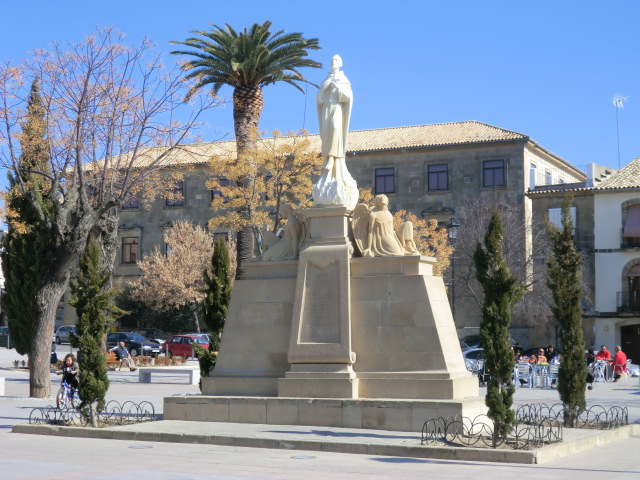
On 22 December 1248, King Ferdinand III of Castile rode triumphantly through the gates of Seville, ending five centuries of Moorish rule in Andalusia's greatest city. The victorious monarch transformed the grand Almohad mosque into a cathedral and established the religious character that would define Seville for generations to come. When Ferdinand died in 1252, he was buried beneath the altar where he had first celebrated Mass as conqueror—his body, remarkably preserved, still rests there today in a silver and crystal urn. Seville sprawls along the banks of the Guadalquivir River in the sun-drenched heartland of Andalusia, where orange blossoms scent the air and the clatter of horse-drawn carriages echoes through narrow medieval streets. The city's cathedral—the largest Gothic church in the world—rises above terracotta rooftops alongside the Giralda, its bell tower converted from the original mosque minaret. Each year, over 1.5 million visitors pass through its doors, though many more arrive during Semana Santa, when Seville's Holy Week processions draw pilgrims and spectators from across the globe. Today, Seville remains the spiritual capital of Andalusia, home to more than seventy religious brotherhoods and some of Spain's most venerated images. From the incorrupt body of Saint Ferdinand in the Cathedral's Royal Chapel to the weeping Virgin of the Macarena processed through torchlit streets at dawn, the city offers pilgrims an encounter with living faith expressed through art, devotion, and centuries of tradition.
📜 History & Spiritual Significance
The story of Catholic Seville begins with Ferdinand III's conquest in 1248, which ended the five-month siege of what had been the Almohad capital of Iberia. The devout king immediately consecrated the great mosque as a cathedral dedicated to the Virgin Mary, establishing a tradition of Marian devotion that would flourish in the centuries to come. Ferdinand proved as zealous in faith as in warfare. He joined the Third Order of Saint Francis and founded houses for Dominican, Franciscan, Trinitarian, and Mercedarian friars throughout newly conquered Andalusia. His concern for his subjects became legendary—he reportedly feared "the curse of one poor woman more than a whole army of Saracens." When he died on 30 May 1252, the entire city mourned. His son Alfonso the Wise composed epitaphs for his tomb in four languages: Latin, Castilian, Arabic, and Hebrew. In 1401, the cathedral chapter made an audacious decision: they would demolish the old mosque and build "a church so beautiful and so grand that those who see it completed shall think us mad." Construction began in 1402 and continued for over a century. When the new cathedral was consecrated in 1506, it had achieved their ambition—the largest Gothic cathedral ever built, surpassing even Hagia Sophia in Constantinople. Pope Clement X canonized Ferdinand III in 1671, four centuries after his death. Examination of his remains revealed his body incorrupt, still wearing his royal robes. Today pilgrims can venerate the saint on his feast day, 30 May, when the silver urn is opened to reveal his preserved features beneath the golden crown. The tradition of Semana Santa developed gradually from medieval penitential confraternities. By the sixteenth century, brotherhoods were processing elaborate floats (pasos) depicting scenes from Christ's Passion through Seville's streets. Through periods of both trial and triumph, the faithful preserved these traditions. Today, over sixty brotherhoods process during Holy Week, with the climax occurring during the Madrugá—the early hours of Good Friday when the most revered images, including the Macarena and Gran Poder, make their way through streets packed with thousands of devoted Sevillanos.
☩ Pilgrimage Sites in Seville
Seville's sacred geography unfolds across three principal zones. The Cathedral and its Royal Chapel anchor the historic centre, while the northern Macarena district holds two of the city's most venerated images. The working-class neighbourhood of San Lorenzo completes the triangle with the beloved Lord of Seville.
Cathedral of Saint Mary of the See
Catedral de Santa María de la Sede
The world's largest Gothic cathedral by volume rises from the site of the twelfth-century Almohad mosque, retaining the magnificent minaret—now the Giralda bell tower—and the Patio de los Naranjos (Orange Tree Courtyard) from the original structure. The interior astonishes with its soaring vaulted nave, eighty columns dissolving into shadow, and the monumental gilded altarpiece of the Capilla Mayor containing forty-five carved biblical scenes.
The Royal Chapel (Capilla Real) houses the silver and crystal urn containing the incorrupt body of Saint Ferdinand III, visible to the public on 30 May each year. Nearby stands the ornate tomb of Christopher Columbus, supported by four figures representing the kingdoms of Castile, León, Aragón, and Navarre. The cathedral treasury displays the Alfonsine Tables, the sword Lobera carried by Ferdinand in battle, and precious liturgical objects accumulated over seven centuries.
Basilica of Santa María de la Esperanza Macarena
Basílica de la Macarena
This twentieth-century neo-Baroque basilica, completed in 1949 and elevated to Minor Basilica by Pope Paul VI in 1966, enshrines Seville's most beloved image: the seventeenth-century Virgen de la Esperanza Macarena. The weeping Virgin, adorned with a golden crown, emerald brooches donated by matadors, and diamond tears, presides over a golden altar ablaze with candles.
The brotherhood museum displays the magnificent three-ton paso that carries Jesus' sentencing during Holy Week, as well as the Virgin's elaborate mantles and the gifts of grateful devotees. The basilica stands beside a surviving section of Seville's twelfth-century Almoravid walls, near the ancient Macarena Gate.
Basilica of Jesús del Gran Poder
Basílica de Jesús del Gran Poder
Known simply as "el Señor de Sevilla" (the Lord of Seville), this modern basilica completed in 1965 houses one of Spain's most venerated images of Christ. The seventeenth-century sculpture by Juan de Mesa depicts Jesus carrying the cross, his face etched with profound suffering yet serene dignity.
Pilgrims queue throughout the year to venerate the image, traditionally kissing the heel of Christ's right foot. Pope John Paul II designated the church a Minor Basilica in 1992—only the second in Seville to receive this honour. The intimate Plaza de San Lorenzo outside offers a quintessentially Sevillano atmosphere beneath shady plane trees.
Church of San Gil and the Chapel of Hope of Triana
Across the Guadalquivir in the Triana neighbourhood, the Capilla de los Marineros houses the Esperanza de Triana—the "other" weeping Virgin who processes during the Madrugá alongside the Macarena. The parish of San Gil, destroyed in 1936 and later rebuilt, originally housed the Macarena image and remains connected to the brotherhood's history.
🕯️ Annual Feast Days & Celebrations
Semana Santa (Holy Week) — March/April
Cathedral and citywide. Seville's Holy Week, declared a Festival of International Tourist Interest, features over sixty brotherhoods processing through the city from Palm Sunday to Easter Sunday. The most intense moment is the Madrugá (early hours of Good Friday), when the Macarena, Gran Poder, Esperanza de Triana, and other beloved images process through streets lined with hundreds of thousands of faithful. Nazarenos in pointed hoods carry candles while costaleros hidden beneath the pasos create the illusion of floating sculptures.
Feast of Saint Ferdinand III — 30 May
Seville Cathedral. The silver urn containing the incorrupt body of Saint Ferdinand is opened for public veneration. Solemn Mass celebrates the patron saint of Seville and commemorates the anniversary of his death in 1252.
🛏️ Where to Stay
Hotel Alfonso XIII ⭐⭐⭐⭐⭐ — Built in 1929 for the Ibero-American Exposition and named for King Alfonso XIII, this Mudéjar-style palace blends Moorish arches, ceramic tiles, and a fountain courtyard. Located steps from the Cathedral and Royal Alcázar, it offers an atmospheric base for pilgrims seeking historic grandeur. Website ∙ Reserve this hotel
EME Catedral Mercer Hotel ⭐⭐⭐⭐⭐ — This boutique hotel occupies a sixteenth-century Andalusian building directly beside the Cathedral. The rooftop terrace offers unobstructed views of the Giralda and provides an unforgettable setting for evening contemplation. Website ∙ Reserve this hotel
Hotel Doña María ⭐⭐⭐⭐ — A traditionally decorated townhouse with rooftop pool overlooking the Cathedral. The heritage-rich rooms and central location make it popular with pilgrims, particularly families. Reserve this hotel
More hotels in Seville on Booking.com →
Accommodation available to book near Seville. Pilgrim houses and religious guesthouses are listed above — many take bookings directly and do not appear on booking sites.
🚗 Getting There
By Air: Seville Airport (SVQ) lies 10 kilometres northeast of the city centre. Regular buses connect to Plaza de Armas station, or taxis reach the Cathedral area in approximately twenty minutes.
By Train: Seville-Santa Justa station, Spain's third-busiest, receives high-speed AVE trains from Madrid (2.5 hours), Córdoba (45 minutes), and Málaga (2 hours). Metro Line 1 and buses connect the station to the historic centre.
By Bus: Plaza de Armas station serves routes from Portugal and western Spain, while Prado de San Sebastián handles connections from Granada, Córdoba, and the Costa del Sol.
By Car: The A-4/E-5 motorway connects Seville to Madrid (530 km) and Córdoba (140 km). The A-92 leads to Granada (250 km) and the Mediterranean coast. Parking in the historic centre is extremely limited; use peripheral car parks or hotel parking.
Local Transport: Seville's compact historic centre is best explored on foot. The metro system, tram (Metrocentro), and extensive bus network serve areas beyond walking distance.
📚 Further Reading
Books:
Elizabeth Nash, Seville, Córdoba, and Granada: A Cultural History — The three Andalusian cities through the palaces, patios and processions that shaped them, from the Reconquista to Holy Week.
Joseph Hollcraft and Ruth Berghorst. Contemplating the Seven Sorrows of Mary: A Chaplet with St. Alphonsus Liguori — A guide to praying the Chaplet of the Seven Sorrows, pairing each sorrow with mental prayer drawn from St. Alphonsus Liguori.
Articles & Online Resources:
Seville Cathedral Official Guide — Visitor information, hours, and virtual tours.
Consejo Superior de Hermandades — Official schedules and information for Holy Week brotherhoods.
📿 Devotional Items
Seville's Holy Week carries the Sorrowful Mother through the city in procession.
Chaplet of the Seven Sorrows, 6 mm Wooden Beads — Seven sets of seven beads for the seven sorrows, with medals depicting each, and a prayer card.
Crystal Chaplet of the Seven Sorrows of Mary — Crystal beads with the eight medals of the Servite devotion.
Chaplet of the Seven Sorrows, with Pouch and Instructions — Colour images of each of the seven dolors, for a pilgrim learning the devotion.
Seven Sorrows Rosary, Blue Crystal Beads — The same chaplet in blue crystal.
🔗 Useful Links
Visit Sevilla Tourism – Official city tourism portal with practical visitor information.
Archdiocese of Seville – Diocesan news and parish information.
Hermandad de la Macarena – Official site of the Macarena brotherhood.
Hermandad del Gran Poder – Official site of the Gran Poder brotherhood.
🪶 Closing Reflection
"It is a cause of particular joy for me to prostrate myself with you before Jesus the Sacrament, in an act of humble and fervent adoration."