Pilgrim Routes & Caminos
Explore 80 pilgrimage routes connecting sacred places across the world
Showing 80 routes
Popular Routes

California Mission Trail (El Camino Real)
The 1,000 km Royal Road connecting California's 21 Spanish missions from San Diego to Sonoma.

Camino de Santiago
The Way of St James - a network of ancient pilgrimage routes converging on Santiago de Compostela.

Camino Francés
The classic 780 km pilgrimage from Saint-Jean-Pied-de-Port across northern Spain to Santiago.

Chartres Pilgrimage
The annual Pentecost pilgrimage from Paris to Chartres - 100 km walking in the Traditional Latin Mass tradition.

St Francis' Way
A 550 km journey through Umbria and Lazio, following the footsteps of St Francis from Florence to Rome.

Via Francigena
The 1,900 km medieval pilgrimage from Canterbury to Rome, crossing the Alps through 79 stages.
All Routes

Altötting Pilgrimage
Pilgrimage to Bavaria's Black Madonna at the Gnadenkapelle, the 'Lourdes of Germany' drawing over a million pilgrims annually.

Aparecida Pilgrimage
Brazil's national pilgrimage to Our Lady of Aparecida, the world's second-largest basilica and most visited shrine in the Americas.

Augustine Camino
A 100 km pilgrimage from Ramsgate to Rochester retracing St Augustine's mission to England in 597 AD.

Birgittaleden (Birgitta Trail)
A 550 km Swedish pilgrimage from Södertälje to Vadstena, following the path of St Bridget of Sweden.

Böhmerweg (Bohemian Road to Mariazell)
The historic pilgrim road from Bohemia through the Waldviertel to Austria's national Marian shrine.

Camin del Oriente
A 74 km Asturian pilgrimage from Llanes to Covadonga along Spain's northern coast.

Caminho da Fé
Brazil's Way of Faith - 400 km through São Paulo state to the Basilica of Our Lady of Aparecida.

Camino Aragonés
The 160 km Pyrenean route from Somport through Jaca — the second great historic entry into Spain for Camino pilgrims.

Camino de Gran Canaria
The 48 km island Camino from Las Palmas de Gran Canaria to the Basilica of Our Lady of the Pine at Teror.
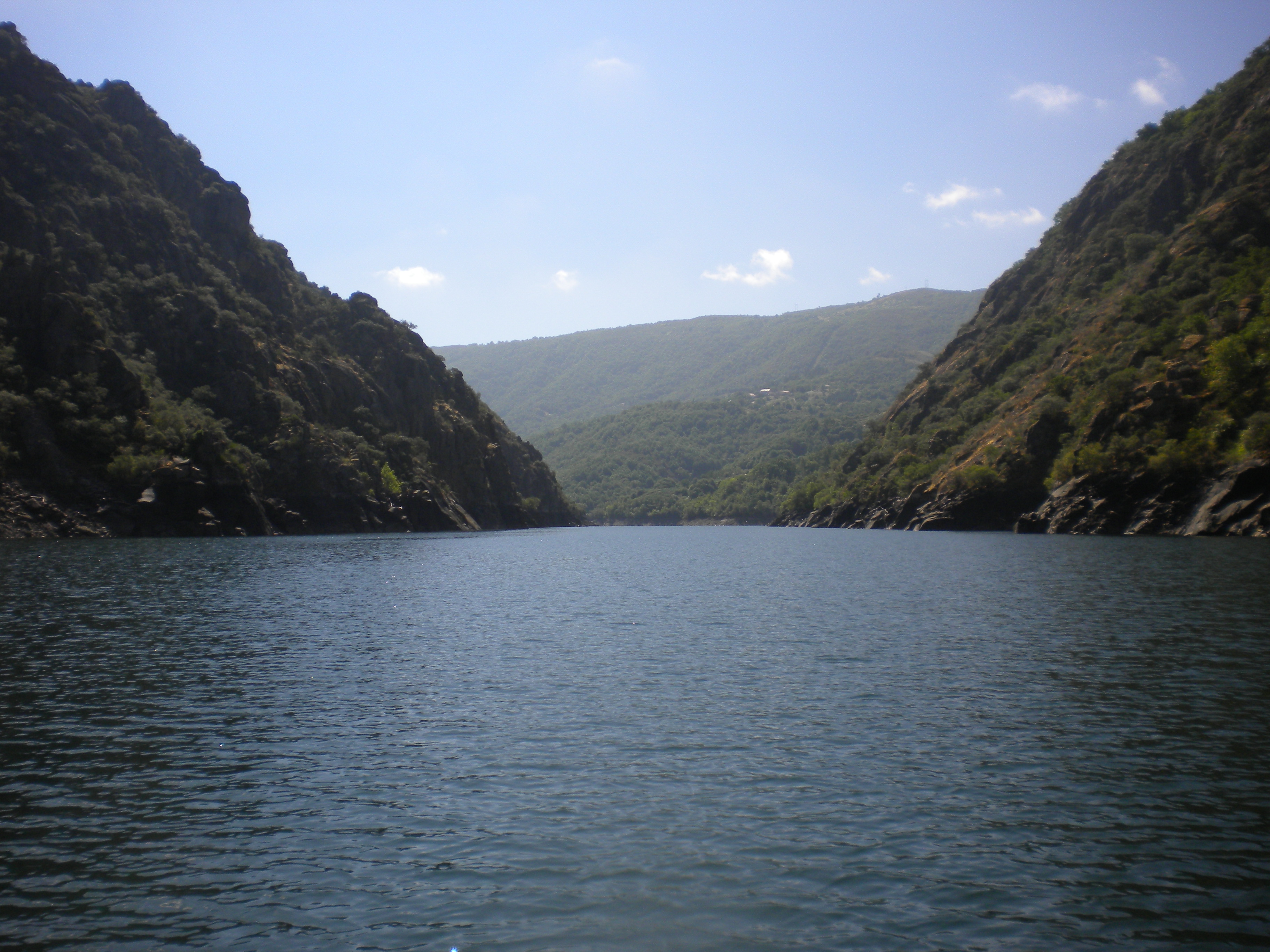
Camino de Invierno
The 263 km Winter Way from Ponferrada to Santiago, the medieval alternative when mountain passes were snowbound.

Camino de los Santuarios
A 200 km route connecting Asturias's mountain sanctuaries from Covadonga to Santo Toribio.

Camino del Ebro
The 300 km route from the Mediterranean at Tortosa to Logroño, following the Ebro River through Zaragoza.

Camino del Norte
The dramatic 820 km coastal route along Spain's northern shore from Irún to Santiago.

Camino del Salvador
The 120 km mountain route from León to Oviedo, connecting the Camino Francés to the Camino Primitivo.

Camino Finisterre–Muxía
The 118 km epilogue route from Santiago to the Atlantic — the Way of St James to the edge of the world.

Camino Inglés
The 119 km English Way from Ferrol - the route of medieval pilgrims who arrived by sea.

Camino Lebaniego
A 72 km pilgrimage through Cantabria to venerate the Lignum Crucis, the largest relic of the True Cross.

Camino Lituano
Lithuania's 500 km Way of St James from the Latvian border to Poland, part of the European Santiago pilgrimage network.

Camino Mozárabe
The ancient pilgrimage routes from Andalusia to Santiago, walked by Mozarabic Christians under Moorish rule.

Camino Portugués Central
The 620 km historic pilgrimage from Lisbon through Porto to Santiago, following ancient Roman roads.

Camino Portugués Coastal
The 274 km Atlantic coastal route from Porto to Santiago through fishing villages and beaches.

Camino Primitivo
The original 311 km route - walked by King Alfonso II in the 9th century from Oviedo to Santiago.

Camino Sanabrés
The 369 km northwest route from Zamora through Ourense to Santiago, branching from the Vía de la Plata.

Camino Vadiniense
The 265 km mountain route through the Picos de Europa linking the northern coastal routes to the Camino Francés near León.

Cammino di Oropa
A 60 km pilgrimage through Piedmont's alpine foothills to the Black Madonna of Oropa.

Cammino di San Benedetto
A 300 km journey through Umbria following the life of St Benedict from Norcia to Subiaco to Montecassino.

Chemin du Piémont Pyrénéen
A 900 km route along the French Pyrenees from the Mediterranean to the Atlantic.

Cyril and Methodius Route
A 1,200 km Central European route tracing the mission of the Apostles to the Slavs.

Cistercian Way (Wales)
A 1,040 km circuit connecting Wales's 14 medieval Cistercian abbey sites.
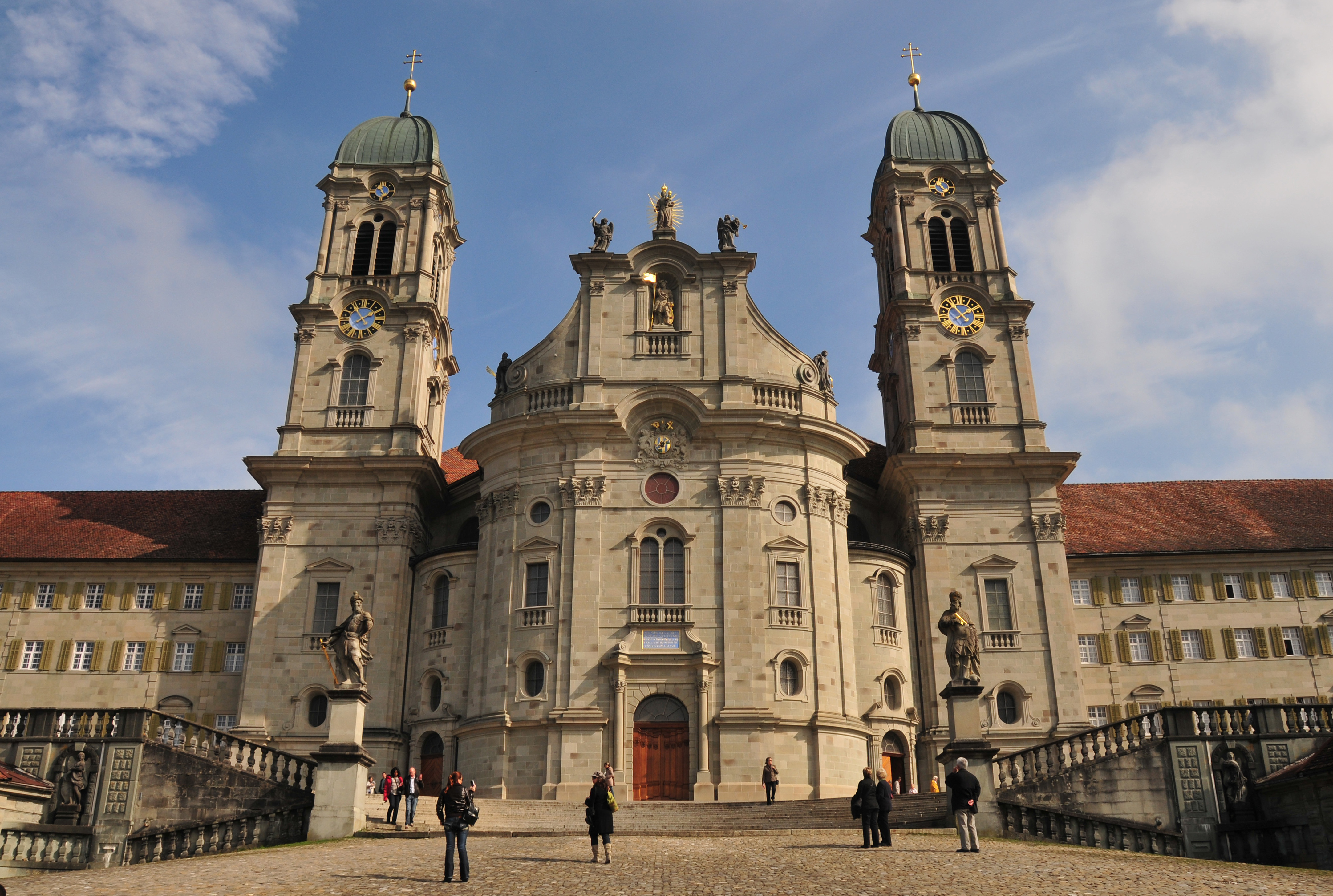
Einsiedeln Pilgrimage
Switzerland's greatest Marian pilgrimage to the Black Madonna at Einsiedeln Abbey, an important station on the Way of St. James.
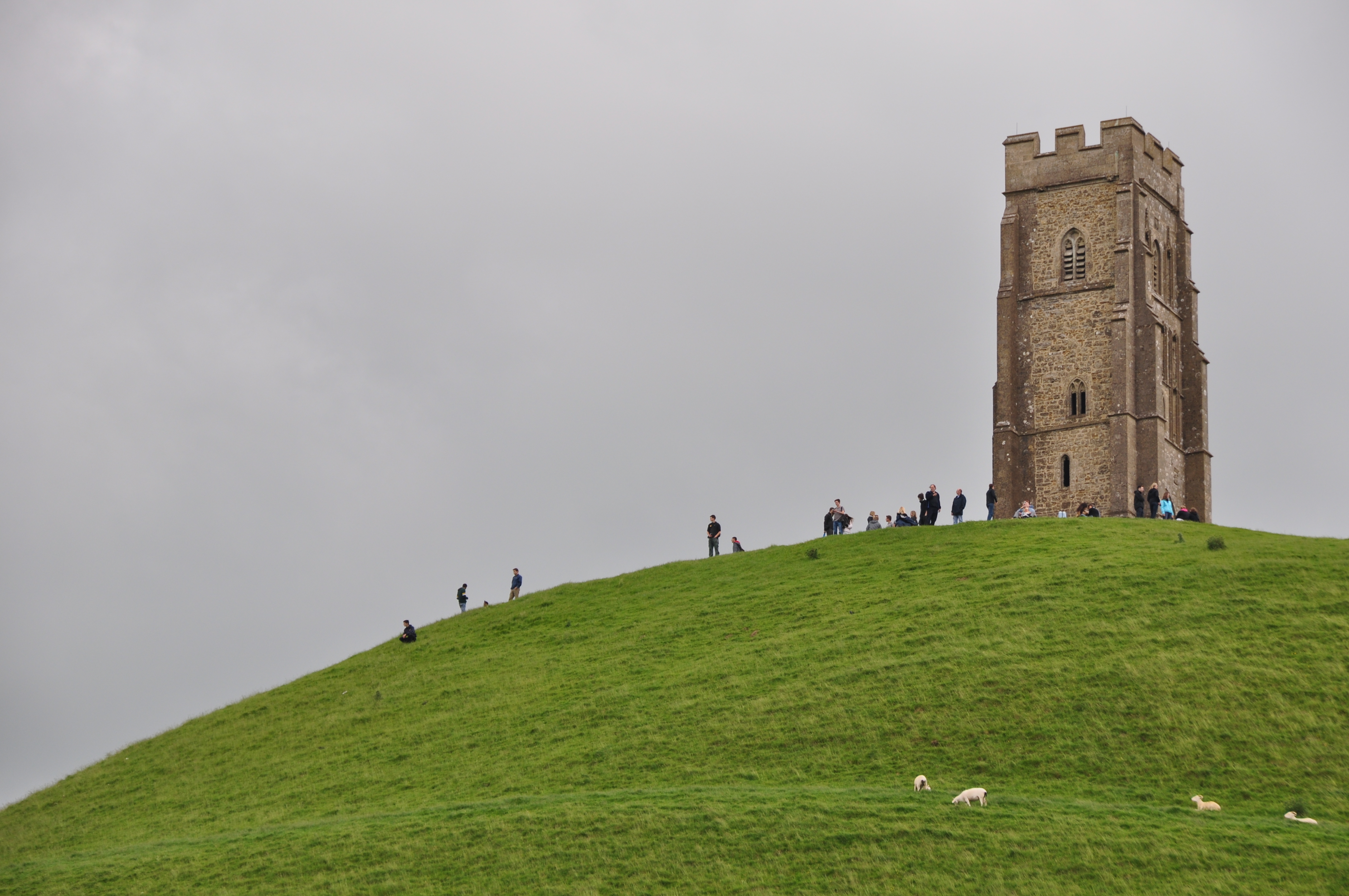
Glastonbury Pilgrimage
Pilgrimage to England's legendary Isle of Avalon, linking Glastonbury Abbey, the Tor, and the Chalice Well.

GR-105 Ruta de las Peregrinaciones
A 150 km Asturian trail linking Oviedo, Covadonga, and Liébana's mountain sanctuaries.
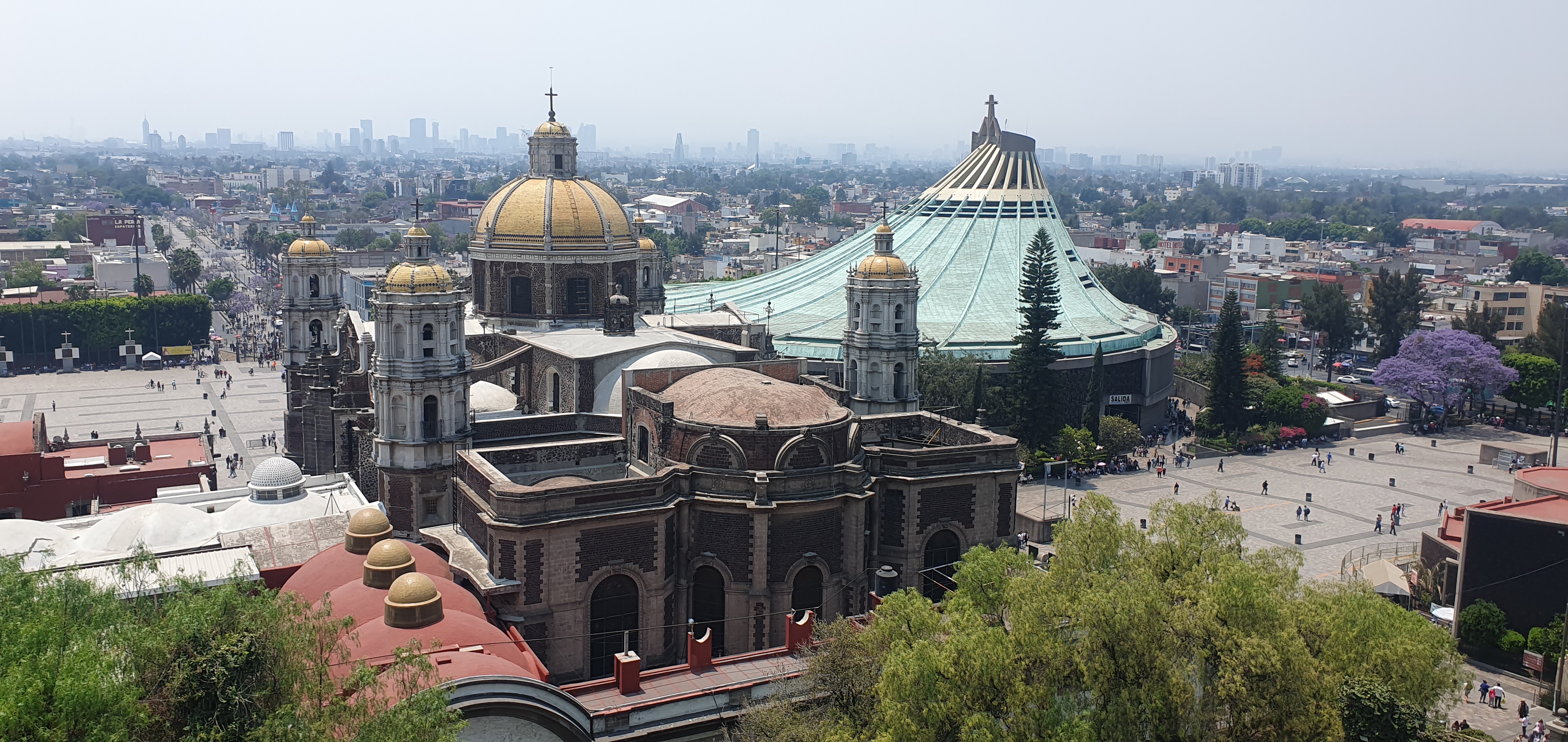
Guadalupe Pilgrimage
Mexico City's great pilgrimage to the Basilica of Our Lady of Guadalupe, the world's most visited Catholic shrine.

Hoch & Heilig Pilgerweg
A 200 km Austrian alpine pilgrimage connecting mountain sanctuaries across Carinthia and East Tyrol.

Jakobsweg Austria (Way of St. James)
The Austrian section of the Way of St James - 400 km from Vienna through Salzburg to the Tyrolean border.

Jasna Góra Pilgrimage
Walking pilgrimages to Poland's Black Madonna shrine at Częstochowa, with the Warsaw route dating to 1711.

Jerusalem Way (Jerusalemweg)
The world's longest pilgrimage route - 7,500 km from Spain through Europe and Turkey to Jerusalem.

Le chemin de Marie-Madeleine
A 300 km pilgrimage through Provence to the grotto where Mary Magdalene spent her final years.

Line of St. Michael (Via Sancti Michaelis)
A legendary alignment of seven sanctuaries dedicated to St. Michael the Archangel, stretching 2,000km from Ireland to Israel.

Marienpilgerweg
An 85 km Marian pilgrimage through Austria's Carinthian Alps to Maria Luggau sanctuary.

Mont-Saint-Michel Pilgrimage
The 350 km medieval pilgrimage from Paris or Chartres to the tidal island abbey of Mont-Saint-Michel.

Pilgrim Route of St. John Paul II (Lithuania)
A 100 km pilgrimage following Pope John Paul II's historic 1993 visit to Lithuania.

Pilgrims Way to Canterbury
The 200 km ancient trackway from Winchester to Canterbury, immortalized in Chaucer's tales.

Pinzgauer Marienweg
A 135 km Marian pilgrimage through Salzburg's Pinzgau region connecting five mountain shrines.

Rocamadour Pilgrimage
Medieval pilgrimage routes to the Black Madonna of Rocamadour, clinging to cliffs above the Alzou gorge.

Romea Strata
The 2,200 km pilgrimage from the Baltic Sea to Rome through seven countries, certified by the Council of Europe in 2025.

Route des Sanctuaires (Québec pilgrimage circuit)
A 400 km circuit linking Québec's major Catholic shrines from Montréal to Sainte-Anne-de-Beaupré.

Ruta de la Reconquista
A 50 km route tracing King Pelayo's 722 AD journey to Covadonga and the birth of Christian Spain.

Ruta del Peregrino (Jalisco)
A 117 km Mexican pilgrimage from Ameca to Talpa de Allende, drawing over 3 million pilgrims annually.

San Antonio Mission Trail
A 13 km trail connecting five Spanish colonial missions in San Antonio, Texas, a UNESCO World Heritage Site.

Sappada-Wallfahrt
A 35 km cross-border pilgrimage from Sappada (Italy) to Maria Luggau (Austria).

St Olav Waterway
A 160 km kayaking pilgrimage from Sweden through Norway to Trondheim via the traditional waterways.

St Paul Trail
A 500 km trek through ancient Anatolia following St Paul's first missionary journey in Turkey.

St. Cuthbert's Way
A 100 km pilgrimage from Melrose Abbey across the Scottish Borders to Holy Island.

St. David's Way
The 100 km Welsh coastal pilgrimage to Britain's smallest city and the shrine of Wales' patron saint.

St. Olav Ways (Pilegrimsleden)
Nordic pilgrimage routes to St Olav's shrine in Trondheim - the northernmost pilgrimage in medieval Christendom.

The Camino del Norte a Chimayó
A 30 km New Mexico pilgrimage to El Santuario de Chimayó, the 'Lourdes of America.'

The Way of Arles - Via Tolosana
The southernmost French route, 750 km from Arles through Toulouse to the Pyrenees crossing at Somport.

The Way of St Andrews
Scotland's premier pilgrimage - routes converging on St Andrews, shrine of Scotland's patron saint.

The Way of St James - Via Podiensis
The most popular French route, 730 km from Le Puy-en-Velay through Conques to the Pyrenees.

The Way of Tours – Via Turonensis
The northernmost French route to Santiago, 930 km from Paris through Tours to the Pyrenees.

Tóchar Phádraig (St. Patrick's Causeway)
Ireland's 35 km ancient pilgrimage from Ballintubber Abbey to Croagh Patrick, following St. Patrick's footsteps.

Travesía Andariega
A 100 km walking challenge connecting Asturian mountain sanctuaries including Covadonga.

Vía de la Plata
The 970 km ancient Roman road from Seville to Santiago, Spain's longest Camino route.

Via Lauretana
The 165 km oldest Marian pilgrimage from Assisi to the Holy House of Loreto through Umbria and Marche.

Via Mariae
A 1,400 km Marian pilgrimage connecting major shrines from Portugal through Spain and France to Lourdes.

Via Postumia
The 930 km route from Aquileia to Genoa along the ancient Roman consular road, connecting pilgrims east and west.

Via Romea Germanica
The 2,200 km pilgrimage from the Baltic Sea to Rome, following the route of Abbot Albert of Stade.

Via Sacra (Austria)
Austria's most important pilgrimage route - 120 km from Vienna to Mariazell through Lower Austria.

Via Sancti Martini
A 2,500 km Council of Europe route following St Martin's life from Hungary through Italy to Tours.

Way of St Augustine
A 23 km pilgrimage through Kent from Ramsgate to Canterbury following St Augustine's historic route.

Way of St. James Via Regia (Poland)
Poland's 500 km section of the ancient Royal Road, connecting Kraków to Germany toward Santiago.

Way of Vézelay – Via Lemovicensis
The 900 km route from Vézelay through Limoges to Spain, beginning at Mary Magdalene's shrine.

Wexford Pembrokeshire Pilgrim Way
A 200 km cross-Celtic pilgrimage linking Ireland and Wales via the Irish Sea.
No routes found matching your search.