On October 15 the Church honors Teresa of Ávila (1515-1582), the Spanish Carmelite reformer, mystic, and Doctor of the Church. Born Teresa de Cepeda y Ahumada on March 28, 1515, in the walled city of Ávila, she entered the Carmelite Monastery of the Incarnation at twenty and lived there for nearly three decades before the mystical experiences of mid-life — the Transverberation of the Heart she describes in her Vida — set her on the path of reform. On August 24, 1562, she founded the Convent of St. Joseph in Ávila, the first house of the Discalced Carmelite reform. Over the next twenty years, with St. John of the Cross as her collaborator in the male branch, she founded sixteen reformed convents across Spain. Her writings — The Life, The Way of Perfection, The Interior Castle, Foundations — are the foundation of Catholic mystical theology in the modern era.
Her death is one of the most remarkable coincidences in the Church's calendar. She died on the night of October 4, 1582, at the Discalced Carmelite convent she had founded at Alba de Tormes — the very night the Gregorian calendar reform took effect, when October 4 was followed by October 15. Her memorial is kept on October 15 because October 4 is the feast of St. Francis of Assisi. She was canonized by Gregory XV on March 12, 1622, alongside Ignatius of Loyola and Francis Xavier. On September 27, 1970, Pope Paul VI declared her a Doctor of the Church — the first woman so named.
At Ávila the Convent of the Incarnation, where she lived for twenty-seven years, preserves her cell and the sites of her visions. The Convent of St. Joseph, her first foundation, holds her relics — a finger, the cell where she had her visions, the chapel of her mystical experiences. The convent built over her birthplace keeps the room where she was born. The medieval walls ring all of it. At Valladolid, where she founded her fourth convent on August 15, 1568, the Discalced Carmel preserves its own Teresian memory.
Her incorrupt body rests at the Convent of the Annunciation at Alba de Tormes, near Salamanca — her eighth foundation and her place of death (her chronologically last foundations were Burgos and Granada in 1582; Alba is where she died, not her last foundation). Her heart, enclosed in a separate reliquary, is kept there too. In Rome, the church of Santa Maria della Vittoria holds Bernini's Ecstasy of St. Teresa (1647-1652), the most famous artistic depiction of her mystical experience — though she never visited Rome, the sculpture has fixed her image in the Western imagination as no other work has. The Discalced Carmelite General Curia on the Esquiline preserves her relics, including a finger sent to the Order's motherhouse.
Connected Destinations

Avila
Spain · Europe
Ávila is the birthplace of St. Teresa of Ávila, Doctor of the Church, and home to her relics and numerous sites associated with her mystical life.

Valladolid
Spain · Europe
Valladolid's magnificent Cathedral serves as the spiritual heart of this historic Spanish city, housing sacred art and architectural treasures.
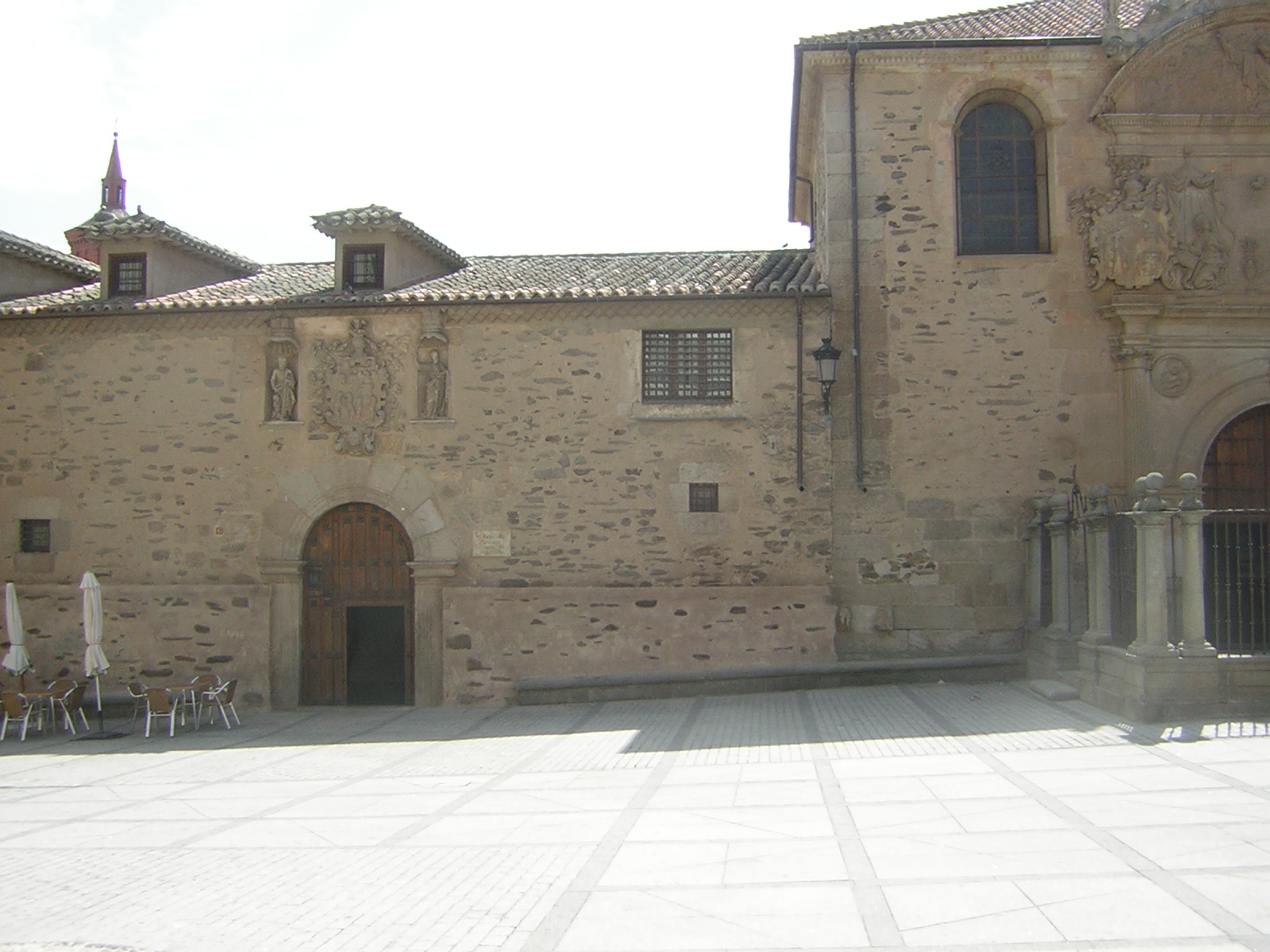
Alba de Tormes
Spain · Europe
Alba de Tormes is where St. Teresa of Ávila died in 1582; her incorrupt body is venerated in the Convent of the Annunciation she founded in 1571.

Rome
Italy · Europe
Rome holds the tombs of Peter and Paul, the four papal basilicas, the Holy Stairs and the catacombs of the early Church.